

 English
 日本語
 Español



Deng Caiwei — International Sales Manager

Home / Author / Deng Caiwei — International Sales Manager / Triangular Memory Foam Backrest: Versatile Ergonomic Support for Modern Living
Product Category
NEW Category
Contact us
Triangular Memory Foam Backrest: Versatile Ergonomic Support for Modern Living
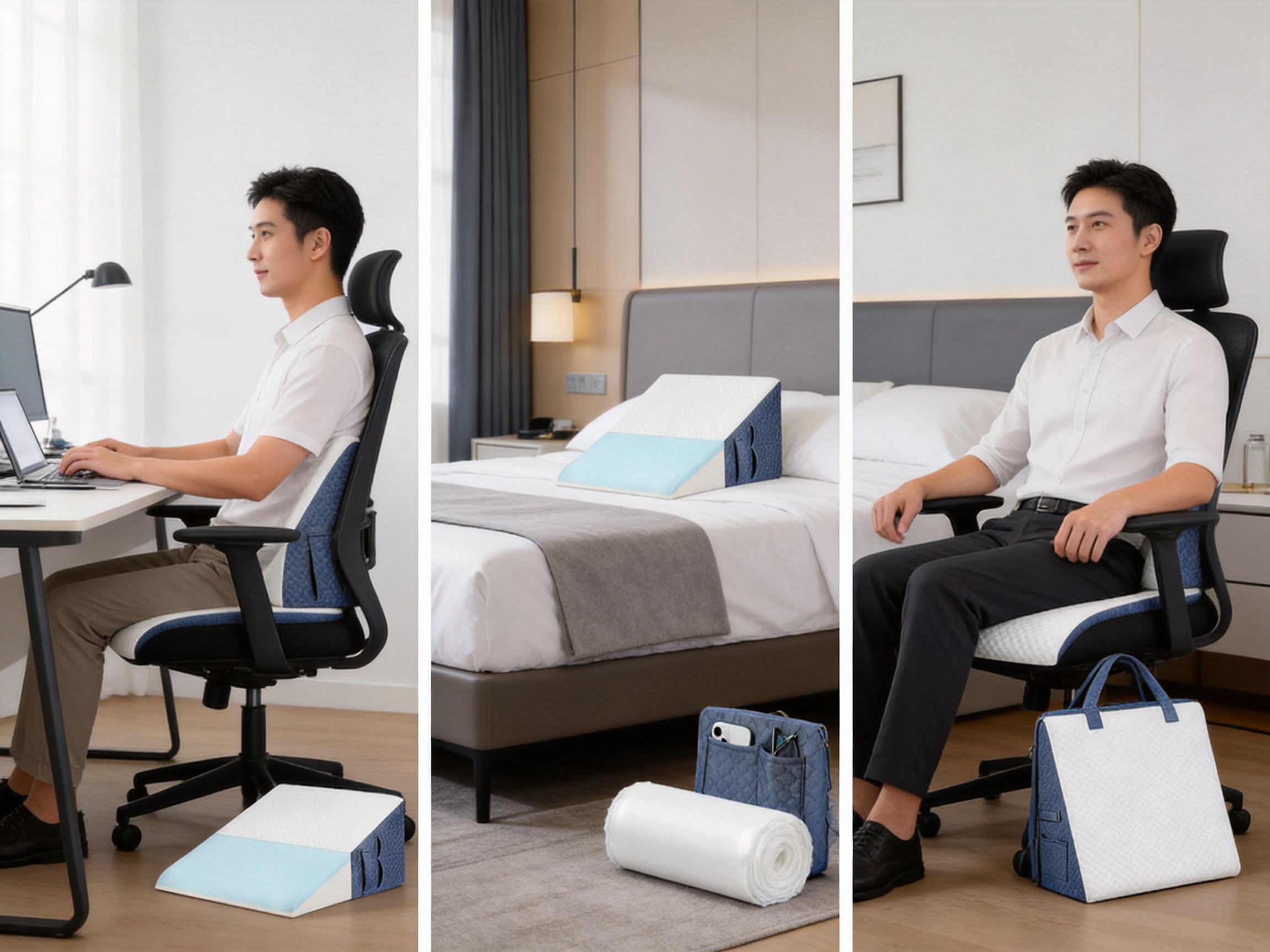
Comfortable support has become an important part of modern home, office, automotive, and travel environments. Many people spend long periods sitting at desks, resting on sofas, reading in bed, working from a vehicle, or recovering after physical activity. In each of these situations, the quality and position of back support can strongly influence comfort. A poorly shaped cushion may flatten quickly, create pressure points, trap heat, or provide support in only one posture. A well-designed support cushion, by contrast, should respond to the body, distribute pressure, remain stable, and adapt to different uses.
The Triangular Multifunctional Memory Foam Backrest is designed to address these needs through a combination of slow-rebound memory foam, a structured triangular form, breathable mesh fabric, and a portable roll-up construction. Rather than functioning as a single-purpose lumbar pillow, it can serve as a backrest, headboard cushion, leg support, footrest, or elevated relaxation cushion. Its blue and white color scheme and modern minimalist appearance also allow it to fit naturally into contemporary interiors.
This product is part of the broader memory foam support and functional pillow category. It is suitable for adults, single-person use, office seating, sofas, beds, cars, and travel settings. Its design is especially relevant to consumers and distributors looking for a practical support product that combines ergonomic usefulness, flexible positioning, material comfort, and convenient storage.
Why a Triangular Support Design Matters
Traditional flat cushions often provide only limited assistance because they do not create a stable angle between the body and the supporting surface. When a person leans backward, the cushion may slide downward or collapse under pressure. When the legs are raised, a flat pillow may not offer sufficient height or surface area. A triangular cushion creates a naturally inclined support plane that can accommodate the back, shoulders, legs, and head in different positions.
The triangular profile helps form a gradual transition between the lower and higher parts of the cushion. This makes it possible to place the product against a wall, bed headboard, sofa back, or vehicle seat while maintaining a supportive angle. The user can lean against the broader surface instead of relying on a small central area. The result is a more stable contact zone and a more adaptable support experience.
The shape is also useful for posture variation. A user may place the higher edge behind the upper back for reading, use the lower slope as lumbar support, or position the cushion beneath the legs for elevation. This flexibility gives the product an advantage over cushions designed only for the lower back or only for sleeping.
In practical terms, the triangular construction also supports efficient storage. Although the cushion contains a relatively substantial foam core, its roll-up design allows it to occupy less space when not in use. This is valuable in smaller apartments, shared offices, dormitories, vehicles, guest rooms, and travel luggage.
Slow-Rebound Memory Foam for Responsive Support
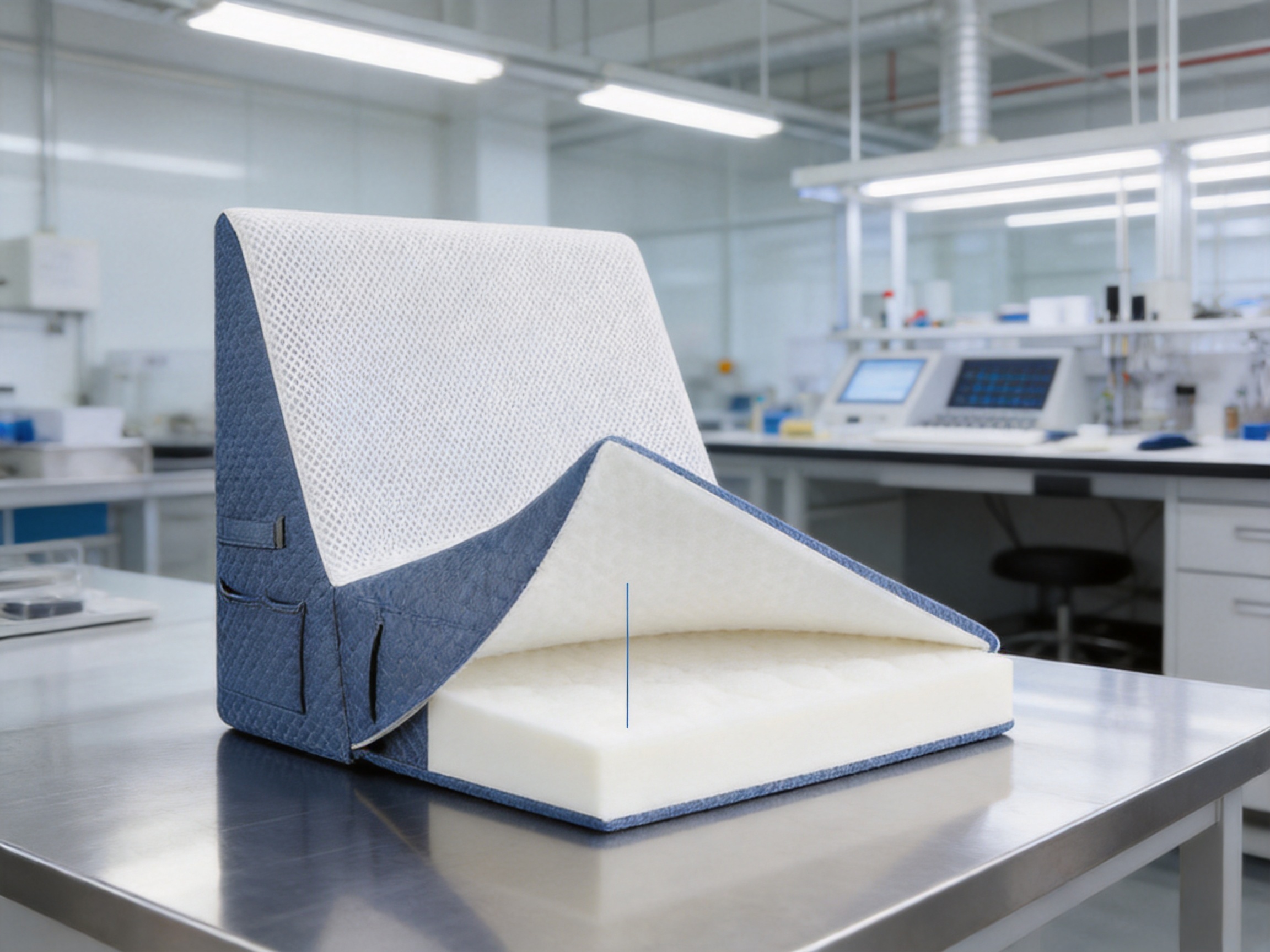
The central performance feature of the backrest is its slow-rebound memory foam core. Memory foam is designed to respond gradually to body pressure and warmth. Instead of resisting the body immediately like a rigid support, it conforms progressively to the contact area. This can help spread pressure across a broader surface and reduce the sharp pressure points often associated with hard or poorly shaped cushions.
When a person leans against the product, the foam gently adapts to the contours of the back. This contouring effect can help create a feeling of cradling without completely eliminating support. The material is intended to remain stable while responding to the body, which is especially useful during extended periods of sitting or reclining.
Another benefit is shape retention. A low-quality cushion may develop permanent depressions after repeated use. The specified slow-rebound structure is intended to recover its original form after pressure is removed, helping preserve the designed support angle over time. Long-term performance naturally depends on factors such as usage frequency, user weight, temperature, storage conditions, and care practices, but resilient memory foam provides a strong foundation for repeated use.
The foam’s ability to distribute pressure may be particularly useful for people who experience fatigue after maintaining one position for a long time. Office workers, drivers, readers, students, and individuals relaxing on a sofa can use the cushion to create a more comfortable support relationship between the body and the surrounding furniture.
Unlike a very soft fiber pillow, memory foam does not depend solely on loose filling to create height. A molded or structured foam core maintains a defined shape and offers more predictable positioning. This is an important difference for users who want a backrest that does not require frequent reshaping.
The product information identifies the pillow core fabric as polyester fiber and the core as slow-rebound memory foam. The combination offers a practical balance between structured interior support and a flexible outer textile surface. The polyester-based fabric can be manufactured in a variety of weaves and finishes, while the foam supplies the primary ergonomic function.
Breathable Mesh Fabric for Extended Use
One of the common concerns with foam cushions is heat accumulation. Dense foam can feel warm when it remains in continuous contact with the body, especially in warm climates or rooms with limited airflow. This backrest addresses that concern with a breathable mesh fabric surface designed to improve air circulation.
Mesh construction creates a more open textile structure than tightly woven upholstery. Air can move more easily across the contact area, helping reduce the stuffy sensation that may occur during prolonged sitting. Breathability does not eliminate heat completely, but it can improve the overall comfort of a foam cushion by supporting better ventilation between the user and the product.
The fabric also contributes to the visual character of the backrest. The blue and white color combination gives the product a clean, fresh, and contemporary appearance. It can coordinate with neutral sofas, modern bedrooms, office furniture, and light-colored travel interiors. The minimalist design avoids an overly decorative appearance, making the cushion suitable for both residential and commercial environments.
For product distributors, the mesh surface provides an additional selling point beyond the foam core. Customers often evaluate support products based on touch, airflow, appearance, and ease of daily use. A breathable textile helps address comfort expectations while contributing to a more refined product presentation.
Care procedures should follow the final product label and packaging instructions. In general, users should protect the foam from excessive moisture, allow the product to air out when necessary, and avoid exposing the foam core to high heat unless specifically permitted. Proper care can help preserve both the fabric and the resilience of the memory foam.
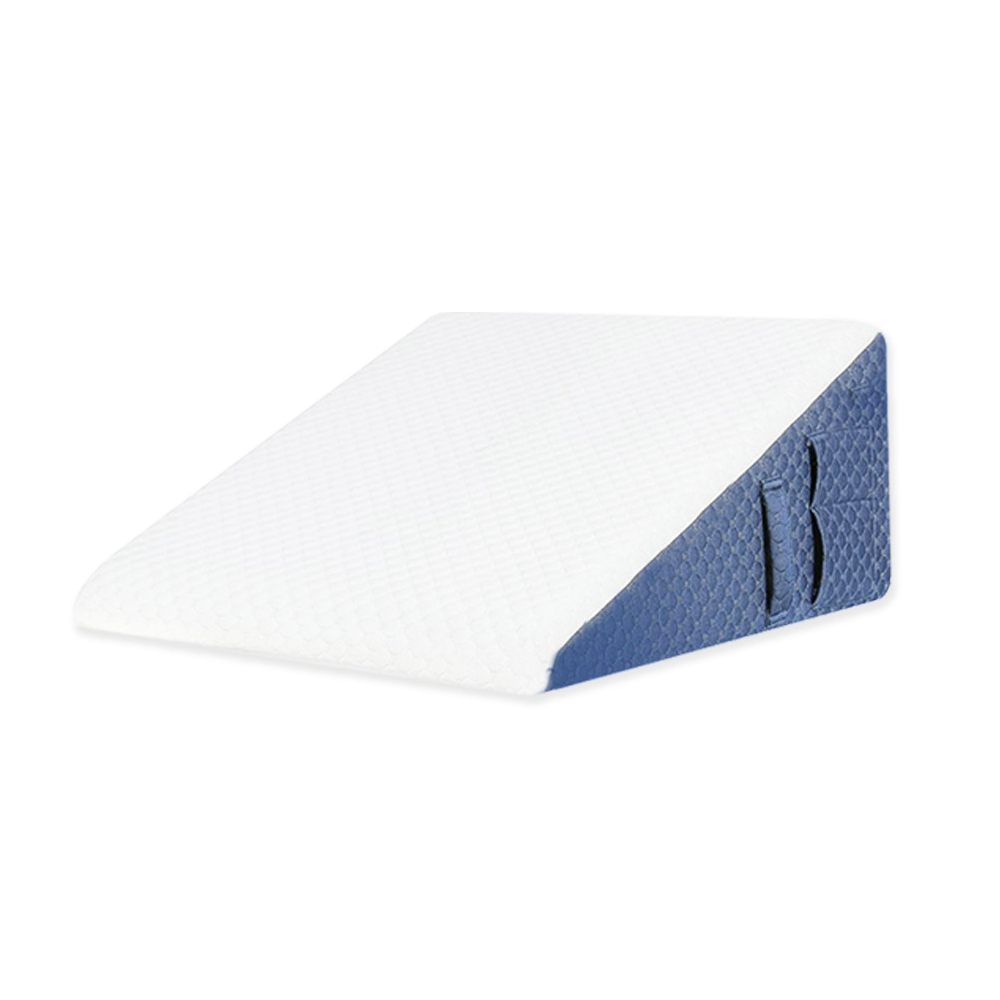
Triangular Multifunctional Memory Foam Backrest
Multi-Functional Use in Different Environments
The product’s strongest competitive feature is its ability to serve several purposes without requiring multiple separate cushions. Its triangular geometry makes it appropriate for different positions and locations, while the memory foam interior gives each use a consistent support base.
Backrest for Reading and Relaxation
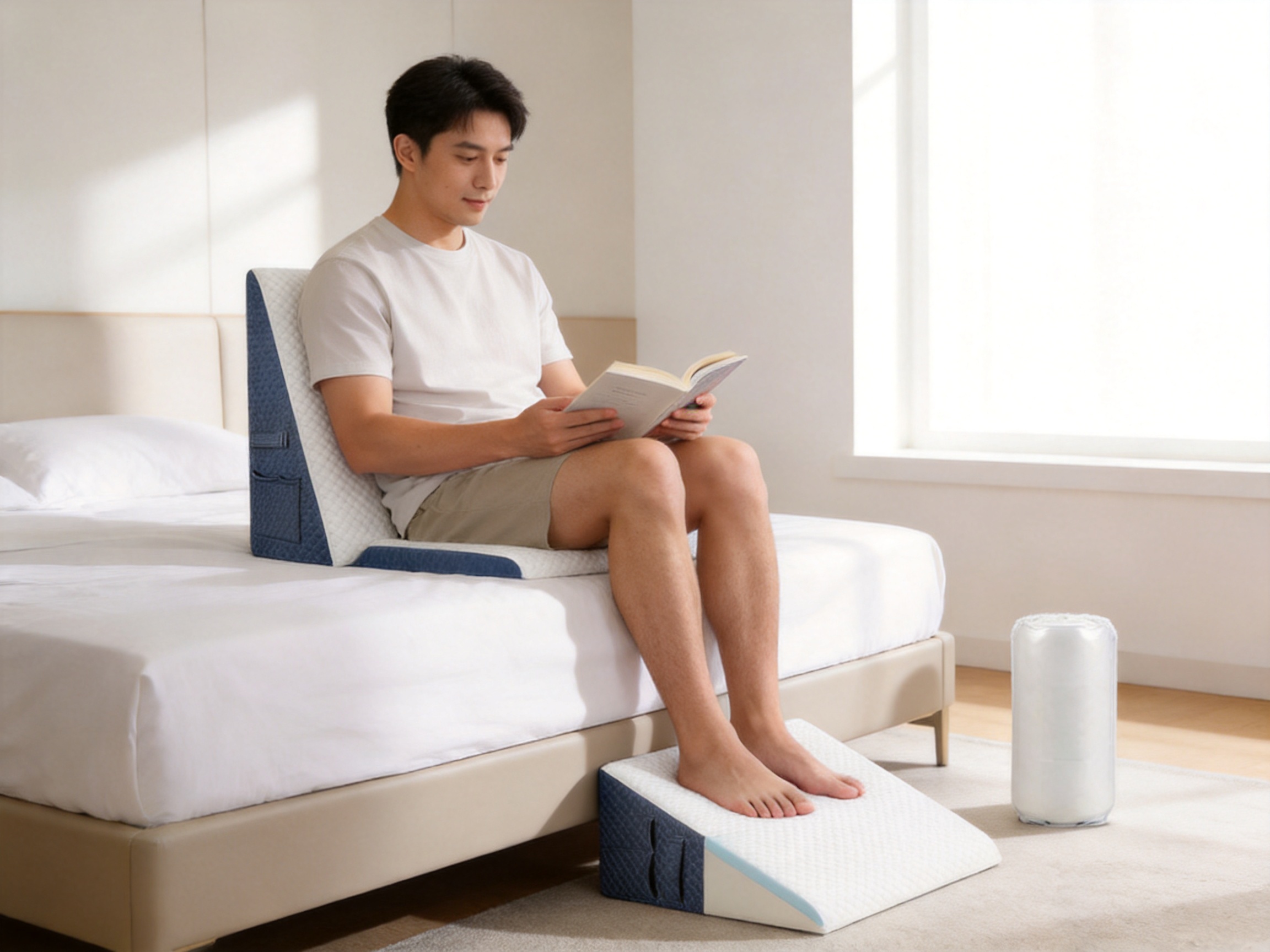
Placed against a wall, headboard, or sofa back, the cushion creates a broad inclined surface for the back. This can make reading, watching television, using a tablet, or resting more comfortable. The higher portion can support the upper back and shoulders, while the sloped area helps maintain a relaxed seated or semi-reclined posture.
Compared with a small lumbar cushion, a full triangular backrest can support more of the torso. This broader coverage may reduce the need to repeatedly reposition the cushion. It can also help users create a more comfortable reading environment in rooms where a dedicated lounge chair is not available.
Headboard and Bed Support
On a bed or daybed, the product can function as a soft headboard-style backrest. This is useful for people who prefer sitting upright in bed rather than lying down. The cushion can provide a supportive surface behind the back while protecting the user from direct contact with a hard wall or headboard.
Because it is portable, the cushion can be moved between a bedroom, guest room, and living room as needed. This makes it suitable for flexible interiors and temporary arrangements. It can also be useful in rental properties where installing a permanent upholstered headboard may not be practical.
Lumbar Support for Office and Vehicle Seating
In an office, the cushion can be used behind the back to improve the feel of a chair that lacks sufficient support. Its structured shape may help fill the gap between the user’s back and the chair surface. In a vehicle, it can provide additional support during long journeys, provided that it is positioned safely and does not interfere with seat belts, airbags, driver controls, or the user’s ability to operate the vehicle.
Office and vehicle use often involve lengthy periods in a fixed seated position. A cushion that can be adjusted or removed easily provides a practical way to personalize seating without replacing the entire chair or car seat. The portable construction is especially valuable for people who move between workspaces or share seating areas.
Leg Raise and Footrest Function
The same inclined structure that supports the back can be placed beneath the lower legs or feet. Elevating the legs may create a more comfortable resting position after standing, walking, commuting, or working. It can also help users vary their posture during relaxation.
As a leg support, the cushion provides a larger and more stable surface than a small rectangular pillow. The foam core helps maintain the incline, while the fabric surface offers a softer contact layer. Users should select a position that feels comfortable and avoid placing excessive weight on the product beyond its intended use.
Travel and Temporary Support
The roll-up design supports convenient transport. The cushion can be stored in a closet, under furniture, in a vehicle, or in suitable luggage space when not in use. For travel, portability is an important advantage because users may encounter hotel beds, office chairs, waiting areas, and other surfaces with inconsistent support.
Unlike a rigid wedge, a rollable cushion is easier to handle and store. It can be carried between locations without requiring permanent installation. This characteristic also benefits online retailers and distributors because the product can be packaged and presented as a practical, space-conscious support solution.
Product Advantages Compared with Conventional Cushions
| Product Feature | Triangular Memory Foam Backrest | Conventional Flat Cushion |
| Support Profile | Inclined triangular structure with broad contact area | Usually flat or dependent on loose filling |
| Core Material | Slow-rebound memory foam | May use fiber, cotton, or basic foam |
| Pressure Response | Contours gradually to the body | Often provides more uniform or limited adaptation |
| Primary Uses | Backrest, headboard, lumbar support, leg raise, and footrest | Often limited to one main position |
| Airflow | Breathable mesh surface supports ventilation | Depends on the outer fabric and filling |
| Storage | Roll-up design saves space | May remain bulky or difficult to store |
| Visual Style | Blue and white modern minimalist appearance | Varies widely and may not match contemporary décor |
| Use Environment | Home, office, vehicle, travel, and temporary spaces | Often designed for a narrower setting |
The comparison shows why a triangular memory foam design can compete effectively in the functional pillow and home comfort market. The product is not simply a decorative cushion. It combines an intentional support angle, responsive foam, airflow-oriented fabric, and portable construction in one item.
Its multi-use design can also reduce the need for consumers to purchase separate back cushions, reading pillows, leg wedges, and travel supports. Although different users may still prefer specialized products for particular medical or therapeutic requirements, the backrest offers a convenient general-purpose solution for everyday comfort.
Another advantage is the balance between structure and softness. A rigid wedge may maintain its angle but feel uncomfortable against the body. A very soft pillow may feel pleasant initially but fail to maintain adequate height. Slow-rebound memory foam occupies a middle position by providing a shaped support surface with a degree of cushioning and pressure response.
Ergonomic Benefits for Daily Posture Variation
Ergonomics is not limited to maintaining one perfect posture throughout the day. In many practical situations, comfort improves when users can change position while keeping the body adequately supported. The backrest encourages posture variation by allowing users to sit more upright, recline partially, elevate the legs, or shift between a sofa, bed, chair, and floor-level resting arrangement.
When placed correctly, the cushion can help reduce the unsupported space behind the lower or middle back. This may make the user feel more stable and reduce the tendency to lean excessively to one side. Its broad structure can also distribute contact across more of the back than a narrow lumbar roll.
Support products should not be viewed as a substitute for professional diagnosis or treatment. People with persistent pain, injuries, circulation concerns, or post-surgical requirements should seek advice from an appropriate medical professional before using any support cushion. For general everyday comfort, however, the ability to change supported positions can be a valuable part of a healthy seating routine.
Users should position the cushion according to their body size, furniture height, and activity. A reading position may require the cushion to sit higher behind the upper back, while a lumbar-support position may require it to sit lower. When used beneath the legs, the cushion should be placed on a stable surface and adjusted so the knees and ankles remain comfortable.
Material Safety and Product Confidence
The product information states that the materials are OEKO-TEX certified, non-toxic, and odorless. Textile certification is important because consumers increasingly want to understand how products are tested and whether they are suitable for close and repeated contact with the body. Certification requirements should always be verified through current documentation for the specific product and production batch, but the stated certification provides an important quality and safety point.
A clean and low-odor product experience is particularly relevant for bedroom, office, and child-adjacent household environments, even though the listed target users are adults. Foam products may have a temporary manufacturing odor after packaging, depending on formulation, curing, packaging duration, and ventilation. A controlled material system and appropriate production processes can help reduce this concern.
Material safety also depends on the outer cover, stitching, dyes, foam formulation, packaging, and storage conditions. A responsible manufacturer must evaluate the complete product rather than focusing on one component alone. This includes monitoring raw material inputs, maintaining production records, checking finished goods, and ensuring that product descriptions accurately reflect the final specification.
Manufacturing Strengths of Jiangsu Wellcare Household Articles Co., LTD.
Jiangsu Wellcare Household Articles Co., LTD. brings substantial experience in foam materials and healthy home products. The company was founded in 2003 and focuses on the research, development, and manufacture of high-performance sleep materials and household comfort products. Its product knowledge extends across ordinary sponge, memory foam, gel foam, temperature-insensitive memory foam, quick-dry memory foam, flame-retardant sponge, antibacterial sponge, and other specialized foam categories.
This breadth of material experience is important for a product such as the triangular backrest. The performance of a support cushion depends not only on its shape but also on foam density, rebound behavior, firmness, resilience, temperature response, moisture management, compression recovery, and compatibility with the outer cover. A manufacturer that works with multiple foam technologies is better positioned to evaluate these factors systematically.
The company is led by a doctor-led research and development team and develops more than one hundred new foam materials each year. Continuous material development allows the manufacturer to compare formulations, optimize performance, and respond to changing requirements in the sleep and healthy home market. It also supports customization for customers who may need different firmness levels, cover materials, shapes, colors, or packaging arrangements.
Material research can contribute to product consistency in several ways. First, it helps identify the foam characteristics required for a particular support geometry. Second, it allows the manufacturer to study how the material behaves under repeated compression. Third, it supports adjustments for different climates and user preferences. Finally, it provides a technical foundation for developing future versions of the product.
Long-Term Technical Development
The company’s development history began in 1993 as a school-run scientific research enterprise. This early connection with scientific research created a foundation for technical experimentation and material development. In 2003, the company purchased a 12,000-square-meter factory building and jointly developed new sponge material with Huai'an Institute of Technology.
In 2008, the company purchased 50,000 square meters of land, creating a broader foundation for manufacturing and future expansion. By 2010, its products were supplied to cross-border supermarkets in the United States, Germany, and Japan. The company also cooperated with Qingdao University of Science and Technology, further strengthening its relationship with academic and technical institutions.
The company later expanded its export reach to the United Kingdom, Canada, Australia, and Kuwait. In 2018, it became an Alibaba-certified Gold Supplier and entered e-commerce more actively. In 2020, it became a designated supplier for five-star hotels. These milestones indicate experience in serving international buyers, online distribution channels, and commercial hospitality customers.
From Foam Formulation to Finished Support Product
Advanced manufacturing for a memory foam backrest begins with formulation control. Foam chemicals and additives must be proportioned accurately to achieve the target cellular structure and rebound behavior. The production team must also control mixing, foaming, curing, cutting, and conditioning processes. Variations in these stages can affect firmness, resilience, surface feel, and dimensional stability.
After the foam core is produced, it must be shaped to create the intended triangular profile. Cutting and forming accuracy are important because the support angle influences how the product functions as a backrest, headboard, or leg raise. Consistent dimensions help ensure that different units provide a similar user experience and fit their packaging correctly.
The fabric cover must be selected and assembled to complement the foam. A breathable mesh material requires suitable cutting, sewing, edge finishing, and tension control. If the cover is too loose, it may wrinkle or shift during use. If it is too tight, it may compress the foam or affect the intended shape. Careful cover construction therefore contributes directly to comfort and appearance.
The roll-up feature also requires coordination between the foam core, cover design, seams, and packaging method. The product must be flexible enough to roll for storage while retaining sufficient structure during use. Packaging compression should be controlled so that the foam can recover appropriately after unpacking. Inspection after recovery helps confirm that the shape and surface are acceptable.
Quality control may include visual checks, dimensional inspection, fabric and seam examination, compression recovery evaluation, odor assessment, packaging inspection, and sampling for material performance. For international customers, accurate labeling and export documentation are also essential. These processes help create a consistent product suitable for e-commerce, wholesale, hospitality, and cross-border distribution.
Research and Development as a Competitive Advantage
Many support cushions compete primarily on appearance or price. A stronger long-term advantage comes from the ability to improve the material and structure together. Wellcare’s focus on foam research gives it a technical platform for developing products with different performance profiles.
For example, some applications may require a softer surface feel, while others may require firmer body support. Some markets may prioritize cooling and airflow, whereas others may need quick-drying performance in humid climates. Certain commercial customers may require flame-retardant materials, antibacterial properties, or special packaging. A manufacturer with experience across these foam categories can evaluate potential solutions more efficiently than a company that only assembles standard cushions.
Product development can also address changes in consumer expectations. Modern customers often look for products that are multifunctional, easy to store, visually attractive, material-conscious, and suitable for smaller living spaces. The triangular backrest responds to these trends through its combination of functional geometry, portability, breathable fabric, minimalist styling, and foam support.
Customization is another important strength. The available information indicates that custom processing is supported, while authorized own-brand availability is not listed as available for this product. Buyers may therefore discuss suitable custom requirements directly with the manufacturer, such as packaging, cover color, labeling, order specifications, or other production details subject to confirmation.
Sustainability and Environmental Responsibility
WELLCARE also emphasizes sustainability through investment in environmentally friendly energy systems and improved environmental management practices. Responsible foam manufacturing requires attention to energy use, production waste, chemical handling, emissions control, water management, packaging, and the service life of finished products.
A durable cushion can contribute to more responsible consumption because products that retain their function for longer may not need to be replaced as frequently. Shape retention and material resilience are therefore relevant not only to user satisfaction but also to product lifecycle value. A multifunctional product may also reduce the need to purchase several separate support items.
Environmental responsibility should be evaluated through measurable practices and current documentation. Buyers may wish to confirm the specific certifications, factory procedures, packaging materials, and compliance records applicable to each order. The company’s stated focus on eco-friendly energy systems and environmental management provides a basis for further supplier discussions.
Foam products can also be designed with end-of-life considerations in mind. Clear material information, responsible packaging choices, and communication about disposal or recycling options can help customers make better decisions. While the exact recyclability of a finished cushion depends on its foam, cover, adhesives, and local facilities, transparent product information remains an important part of responsible manufacturing.
Commercial Applications and Distribution Potential
The product is suitable for several downstream markets. In residential retail, it can be presented as a reading cushion, sofa support, bed backrest, or relaxation accessory. In office supply channels, it can be positioned as a portable ergonomic support product. In automotive and travel categories, its roll-up construction can attract customers who need flexible support away from home.
Hospitality businesses may also consider triangular support cushions for guest rooms, serviced apartments, hotels, and lounge areas. Their use can enhance the flexibility of beds and seating areas without requiring permanent furniture changes. However, commercial buyers should confirm durability, cleaning requirements, fire performance, and relevant regulatory standards for their market before placing an order.
The listed sales regions include South America, Southeast Asia, and North America, while the listed platforms include eBay, Amazon, Wish, AliExpress, independent websites, Lazada, and other channels. This broad market orientation suggests that the product is suitable for cross-border e-commerce presentation. Online sellers can highlight its multiple functions, breathable surface, memory foam support, roll-up storage, modern colors, and adult-oriented design.
For online product pages, accurate communication is essential. Sellers should avoid claiming that the cushion treats medical conditions or guarantees a specific therapeutic result. A more responsible presentation is to describe the product as a general support and comfort accessory designed for posture variation and everyday use.
Product photography should show the cushion in different positions, while packaging should explain how to unroll and allow the foam to recover if the item is compressed for shipping. Customer instructions should include safe placement, cleaning guidance, and warnings related to vehicle use or unsuitable surfaces.
Packaging, Storage, and User Experience
The roll-up format offers advantages throughout the product lifecycle. During manufacturing and distribution, it can help reduce storage volume compared with a permanently expanded wedge. For retailers, efficient packaging may simplify warehouse organization and shipping calculations. For customers, it makes the product easier to carry and store.
After opening, memory foam products may require time to regain their intended shape, particularly if they have been compressed during transport. The precise recovery period depends on the foam formulation, compression level, temperature, and packaging duration. Buyers should follow the supplied instructions and allow adequate ventilation before use if any temporary packaging odor is present.
Storage should generally take place in a dry, ventilated environment away from prolonged direct sunlight and excessive heat. Heavy objects should not be placed on the cushion for extended periods unless the product instructions specifically allow it. Proper storage helps preserve the triangular shape and the resilience of the foam.
The user experience also depends on the furniture surface beneath the backrest. A stable wall, headboard, sofa, or floor surface can help prevent unwanted movement. If the cushion is used on a smooth or slippery surface, users should check its position regularly. It should not obstruct exits, controls, seat belts, pedals, or safety equipment.
Design, Appearance, and Interior Compatibility
Functional products are increasingly expected to complement the spaces where they are used. The blue and white color scheme gives this backrest a visually clean identity. Blue can create a calm and refreshing impression, while white adds brightness and simplicity. Together, the colors can coordinate with modern bedrooms, light-colored sofas, neutral office furniture, and contemporary travel environments.
The modern minimalist style is suitable for customers who prefer products that do not appear overly bulky or decorative. A simple appearance can also support broader retail positioning because it does not depend on a highly specific interior theme. It can be marketed for bedrooms, living rooms, home offices, guest rooms, and shared spaces.
Appearance does not replace performance, but it can influence purchase decisions. A well-designed support product is more likely to remain visible and accessible rather than being hidden away. This encourages regular use and allows the product to function as both a comfort accessory and a practical interior item.
Specifications and Product Positioning
| Product Name | Triangular Multifunctional Memory Foam Backrest |
| Category | Memory Foam Back Support |
| Pillow Type | Functional Pillow |
| Shape | Triangular |
| Core Material | Slow-rebound memory foam |
| Pillow Core Fabric | Polyester fiber |
| Surface Feature | Breathable mesh fabric |
| Core Height | Above 25 cm |
| Approximate Product Weight | 1.55–2 kilograms |
| Suitable User | Adults and single-person use |
| Primary Uses | Backrest, headboard, lumbar support, leg raise, and footrest |
| Design Style | Modern minimalist |
| Color Scheme | Blue and white |
| Item Number | K010 |
| Custom Processing | Supported, subject to confirmation |
| Product Grade | Qualified product |
The specification profile positions the product between a traditional pillow and a compact piece of flexible support furniture. Its height, triangular geometry, and foam construction give it more structural presence than an ordinary cushion, while its roll-up format keeps it more convenient than a rigid support wedge or upholstered chair accessory.
The listed approximate weight range provides an indication of its substantial foam construction while remaining manageable for portable use. Exact dimensions, firmness, fabric composition details, packaging size, color standards, and load recommendations should be confirmed with the manufacturer before commercial publication or purchase.
How Retailers Can Explain the Product Clearly
A strong retail description should begin with the customer problem: long periods of sitting, limited back support, uncomfortable reading positions, or the need for a flexible leg rest. It should then explain how the product addresses that problem through its triangular shape, slow-rebound memory foam, breathable mesh surface, and portable design.
Retailers should emphasize practical scenarios rather than making excessive performance claims. Examples include reading in bed, resting on a sofa, supporting the back in an office chair, elevating the legs, or carrying the cushion during travel. Demonstrating several uses helps customers understand why the product is different from an ordinary flat pillow.
Information about material certification, adult suitability, cleaning, storage, and safe placement should be easy to find. If the product is sold internationally, sellers should review the labeling and consumer protection requirements of each target market. Product claims should be supported by current manufacturer documentation.
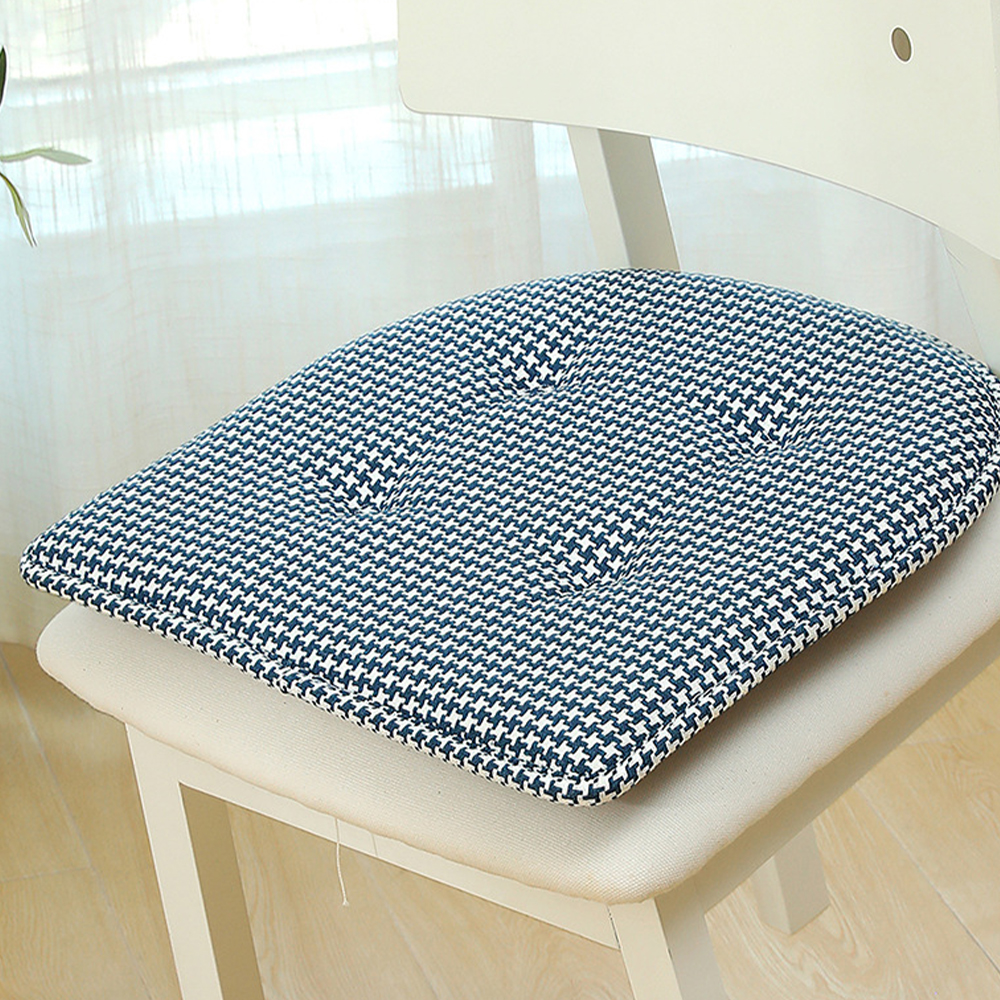
Images and demonstrations can show the product in an expanded form and in a rolled storage position. The four visual positions in this article may be used for product photography, lifestyle presentation, or technical illustrations in a finished marketing layout. Clear visuals help customers understand the size, angle, texture, and possible applications before purchase.
Quality Assurance for International Buyers
International buyers should evaluate more than the product’s appearance. They should request information about foam specifications, fabric composition, certification, production lead time, packaging, inspection procedures, minimum order quantity, customization options, and export documentation. These details help reduce uncertainty during procurement.
For repeat orders, buyers may establish an approved sample and compare future production against that reference. Important checkpoints can include triangular angle, foam recovery, cover fit, stitching quality, color consistency, surface cleanliness, odor, packaging integrity, and product labeling.
Because foam performance can vary with temperature and storage time, buyers may also consider testing products under conditions similar to their target market. Southeast Asian climates, dry North American interiors, and cooler distribution environments may create different expectations for airflow, firmness, and recovery. Technical consultation with the manufacturer can help identify suitable specifications.
The company’s history of serving overseas markets and cross-border supermarkets provides useful experience for international cooperation. Its range of downstream platforms and sales regions also indicates familiarity with e-commerce and export-oriented product requirements. Nevertheless, every buyer should verify current capabilities and documentation for the specific order.
Q&A: Triangular Memory Foam Backrest
What is the main purpose of this product?
The main purpose is to provide flexible, comfortable support for the back, torso, legs, or feet. It can be used as a backrest, headboard cushion, lumbar support, leg raise, or footrest depending on its position.
Why is the cushion triangular instead of rectangular?
The triangular profile creates an inclined support surface. This allows the product to provide a useful angle for reclining, reading, sitting, or elevating the legs. It also offers more functional positioning than a flat rectangular cushion.
What type of foam is used?
The core uses slow-rebound memory foam. This material gradually conforms to the body under pressure and is designed to recover its shape after use, supporting comfort and long-term usability.
Does the memory foam feel soft or firm?
The exact firmness should be confirmed with the manufacturer for the specific production batch. The product is designed to combine cushioning with stable structural support, but individual comfort preferences vary.
Does the surface allow airflow?
Yes. The product uses a breathable mesh fabric surface designed to improve air circulation and reduce the stuffy feeling that can occur during extended contact with a foam cushion.
Can it be used on a bed?
Yes. It can be placed against a headboard or wall to support the back while reading, watching television, or resting in a semi-upright position. It can also be used as a temporary upholstered headboard-style cushion.
Can it be used on a sofa?
Yes. It can provide additional back support on a sofa and can be repositioned according to the user’s posture. A stable sofa surface is recommended to reduce unwanted movement.
Is it suitable for office use?
Yes. The product can be used as portable back support on a suitable office chair. Users should check that it does not interfere with chair movement, armrests, or other workplace equipment.
Can it be used in a car?
It may be used as additional support in a vehicle when positioned safely. It must not interfere with seat belts, airbags, pedals, steering, driver visibility, or vehicle controls. Drivers should ensure that the cushion does not affect safe vehicle operation.
Can the cushion support the legs?
Yes. Its inclined shape allows it to function as a leg raise or footrest. Users should place it on a stable surface and adjust the position to achieve comfortable support.
Is it easy to store?
Yes. The roll-up design helps save space when the cushion is not in use. It can be stored in a closet, under furniture, in a vehicle, or in appropriate luggage space.
Who is the product designed for?
The listed target users are adults, and the product is suitable for single-person use. Customers with medical conditions or special therapeutic requirements should consult an appropriate professional before using it.
What is the approximate weight?
The listed weight range is approximately 1.55 to 2 kilograms. Exact weight may vary according to production specifications, cover construction, and packaging requirements.
What colors are available?
The described color scheme is blue and white. Buyers should confirm the exact shade, fabric finish, and available customization options before ordering.
Is the product certified?
The product information states that the materials are OEKO-TEX certified, non-toxic, and odorless. Buyers should request current certification and compliance documents for the specific product and order.
Can the product be customized?
Custom processing is listed as supported. Potential options may include packaging, labeling, fabric, color, or other specifications, subject to production capability, order quantity, and manufacturer confirmation.
What makes the manufacturer competitive?
The manufacturer combines long-term foam experience, a doctor-led research and development team, extensive material development, international supply experience, manufacturing facilities, product customization support, and attention to environmental management.
How should buyers confirm the final specifications?
Buyers should confirm dimensions, foam characteristics, firmness, fabric composition, color, packaging, certifications, order quantity, lead time, inspection standards, and export documents directly with the manufacturer before final purchase.
Conclusion
The Triangular Multifunctional Memory Foam Backrest is designed as a flexible support solution for modern daily life. Its triangular structure creates a useful inclined angle, while the slow-rebound memory foam responds to the body and helps distribute pressure. The breathable mesh surface supports airflow, and the roll-up construction improves portability and storage efficiency.
Its ability to function as a backrest, headboard cushion, lumbar support, leg raise, and footrest gives it a broader use range than many conventional cushions. The blue and white minimalist appearance further supports its use in contemporary homes, offices, guest rooms, travel environments, and commercial settings.
The product is supported by a manufacturer with extensive experience in foam research and production. Jiangsu Wellcare Household Articles Co., LTD. has developed a broad portfolio of foam technologies, maintains a doctor-led research and development team, operates with a history of technical cooperation and international supply, and emphasizes environmental management. These capabilities provide a strong foundation for manufacturing memory foam support products and developing customized solutions.
For retailers, distributors, hospitality buyers, and consumers, the main value of this backrest lies in its balance of comfort, structure, portability, visual simplicity, and multifunctionality. As demand continues to grow for space-saving and adaptable home products, this type of ergonomic memory foam support can serve as a practical addition to the healthy home and functional furniture market.
References
1. Product specification and descriptive materials for the Triangular Multifunctional Memory Foam Backrest, item K010.
2. Manufacturer-provided company information concerning foam research, product development, manufacturing history, and international supply experience.
3. OEKO-TEX textile safety and material testing principles, as referenced in the supplied product information.
4. General ergonomic principles for supported sitting, posture variation, and workplace comfort.
5. General technical literature on viscoelastic memory foam, pressure distribution, rebound behavior, and cellular foam performance.
6. General manufacturing guidance concerning foam formulation, curing, cutting, textile cover construction, quality inspection, and compressed product packaging.
7. General environmental management principles for foam material production, energy efficiency, waste reduction, and responsible product lifecycle planning.
Product: Triangular Multifunctional Memory Foam Backrest

PREV:Why a Japanese-Style Three-Fold Gel Memory Foam Mattress Is a Practical Choice for Modern Sleep Spaces
NEXT:A Practical Guide to High-Comfort, Multifunctional Foam Pet Beds
NEXT:A Practical Guide to High-Comfort, Multifunctional Foam Pet Beds
Interested in cooperation or have questions?
Related News
WELLCARE was founded in 2003, boasting over a decade of profound and extensive experience.
Quick Links
Product
Media Centre
Contact Information
- wesley@wellcare-mattress.com
- +86-517-84998062
- +86-15152354988
- No. 168 Nenjiang Road, Huaiyin District, Huai'an City, Jiangsu Province, China
Copyright © Jiangsu Wellcare Household Articles Co., LTD. All Rights Reserved.
Custom Memory Gel Mattress Manufacturers
